August 2026
Home EV charger: buying guide
Compare home EV chargers by speed, tethered or untethered, smart features and cost, and learn how to choose the right electric car charger for your home.
Written by:

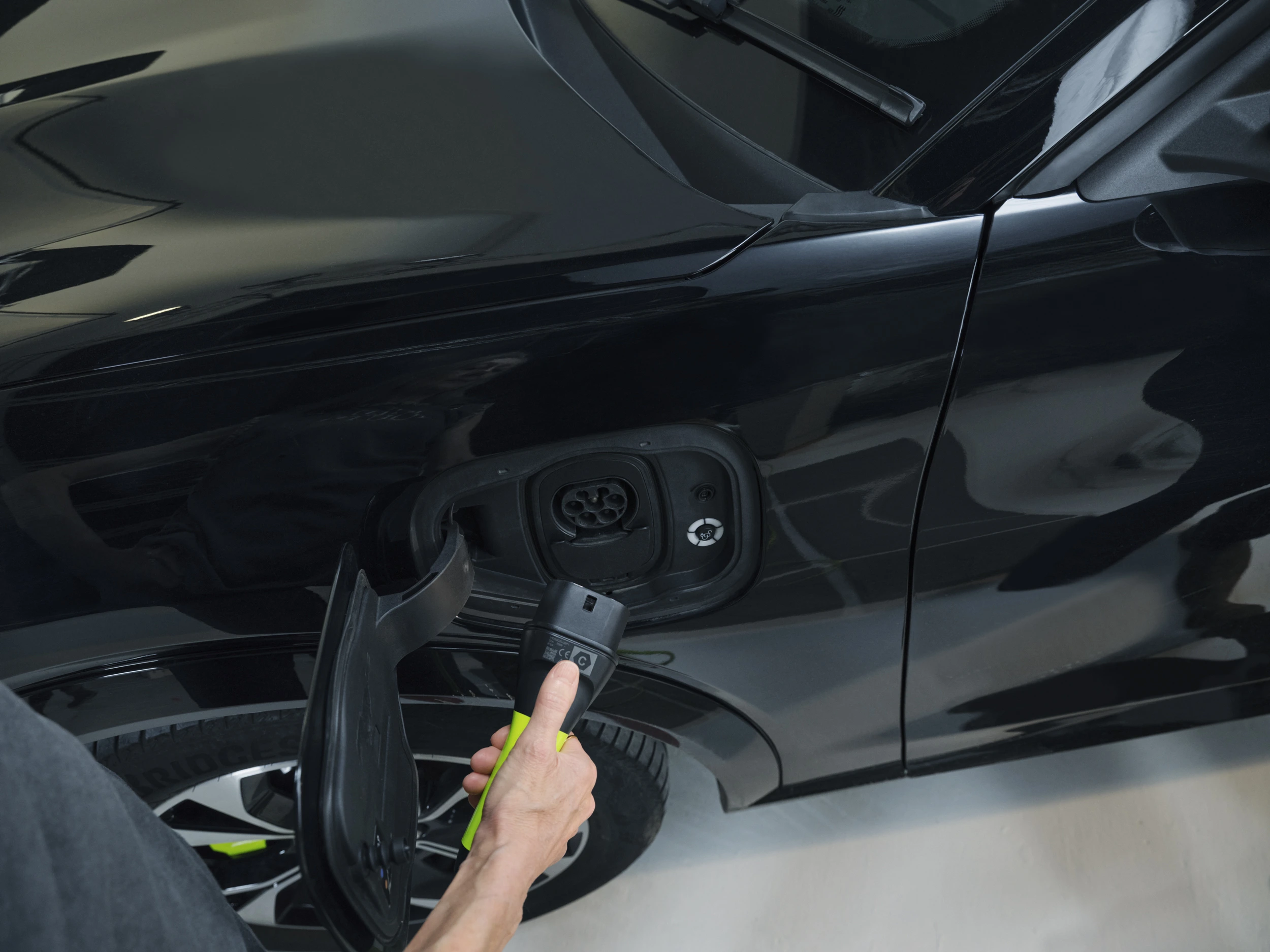
Choosing a home EV charger comes down to five things: charging speed, whether it's tethered or untethered, its smart and tariff features, whether it works with solar, and the cost to install. Most single-phase homes are well served by a 7kW smart charger. From there, it's about matching the charger, and the tariff behind it, to how you actually drive and charge.
How to Choose a Home EV Charger
Start with your home and habits, not the shiniest spec sheet. Here's the framework the rest of this guide expands on:
- Speed: 7kW suits most homes and tops up overnight
- Tethered or untethered: down to convenience, or a neat look on the wall
- Smart features and tariff support: this is where the real running-cost saving comes from
- Solar compatibility: only worth paying for if you've got panels or plan to get them
- Connector and car compatibility: nearly all modern EVs use the same standard
- Installation and cost: what pushes a quote up or down
You don't need the most expensive charger on the market. You need the one that fits your driveway, your car, and how you charge.
Types of Home EV Charger
Before comparing features, it helps to understand the main ways home chargers differ. The three that matter most are the cable, the speed, and how smart the unit is.
Tethered vs Untethered Chargers
A tethered charger has a cable permanently attached, so you plug in without unwinding anything separate. An untethered charger has a socket instead, and you connect your own cable.
Tethered is often quicker for daily use. Untethered can look neater on the wall and suits homes where more than one car, or one cable length, might be needed. Both deliver exactly the same charging speed at the same power rating. The cable type doesn't change how fast your car charges.
Charging Speed: 3kW, 7kW and 22kW
Most UK homes have a single-phase electricity supply, and 7kW is the natural fit. It's the speed most home chargers are built around, and it's enough to fully charge a typical EV battery overnight.
22kW chargers need a three-phase supply, which is rare in UK homes and usually only found in newer or larger properties. Unless you already have three-phase power, a 22kW charger won't run any faster than a 7kW one.
A 3kW or 3-pin option charges far more slowly. It has its place for occasional or emergency use, but it isn't built for charging a car every night. We'll come back to this below.
Charging speed is about topping up overnight, not a race. Always check the exact rate with the manufacturer before you buy, since it can vary between models. For a fuller breakdown of charging times, read how long it takes to fully charge an electric car.
Smart Chargers Versus Basic Chargers
A smart charger connects to an app, so you can schedule charging, monitor your energy use, and lock the unit remotely. Since 2022, new home chargers sold in the UK must meet smart functionality requirements, so most units you'll see today are smart-capable as standard.
The everyday benefit is control. You can set your car to charge in the cheapest overnight window, check a session from your phone, and get an alert if something interrupts it. Pairing a smart charger with an off-peak energy tariff is where the biggest saving on running costs comes from.
Key Features to Compare
Once you understand the main charger types, the next step is weighing up the features that separate one unit from another.
Smart Features and Energy Tariff Integration
Tariff integration lets your charger schedule sessions into the cheapest overnight window automatically, rather than you setting a timer and hoping for the best. This is where most of the running-cost saving sits, since off-peak electricity rates can be a fraction of the daytime rate. So Energy's own EV charging tariff charges 7.5p per kWh between midnight and 5am, for example, well below a typical daytime rate. The size of the saving depends on your tariff and how much you drive, so it's worth checking current rates before you commit.
Solar Compatibility and Load Balancing
If you've got solar panels, look for a charger with solar compatibility, which lets it charge your car from surplus solar power rather than drawing more from the grid. Load balancing is different: it protects your home's main fuse by automatically reducing the charger's output if your household demand spikes. So Energy's range of home EV chargers offer both solar compatibility and load balancing, depending on the model you choose.
Solar compatibility matters most if you already generate your own power or plan to. Load balancing matters most if your home has an older electrical supply, since it helps avoid overloading it.
Connectors, Cables and Car Compatibility
Type 2 is the UK standard connector, and it's compatible with nearly all modern EVs. Before you buy, check your car's manual or the manufacturer's website to confirm which connector it uses.
Cable length is worth thinking about too, especially if your parking space is some way from where the charger will sit. Some EVs, including older Teslas, have used different connectors in the past, so it's worth double-checking rather than assuming. For most drivers, though, a standard Type 2 home charger will work straight out of the box.
Design, Weatherproofing and Warranty
A home charger sits on your wall for years, so size and appearance matter. If it's going outside, check it carries an appropriate weatherproof rating. Warranty length is a useful shortcut for how confident a manufacturer is in its own product. Most home chargers come with a warranty of three to five years.
If you're also thinking about how your car will hold up over years of home charging, read how long electric car batteries last.
Home EV Chargers Compared
Here's how the main types of home charger compare, based on the features above. Always check current specifications and pricing with the manufacturer before you buy, since models and prices change.
Across the market, a fully fitted 7kW home charger typically costs between £800 and £1,200, including the unit and standard installation. Costs rise if your home needs electrical upgrades or a long cable run.
Charging in a Flat or Without a Driveway
Home charging works best with your own off-street parking, such as a driveway or garage, since cabling can't cross public land or shared walkways. If you live in a flat or rely on street parking, a standard home charger install usually isn't possible.
That's not the end of the road. Some flats and blocks have allocated parking bays that can take a charger, subject to the freeholder's or management company's permission. For on-street parking without any private space, some councils fund cross-pavement charging solutions or on-street chargepoints, so it's worth checking with your local council.
If home charging isn't an option for you yet, read how do you charge an electric car for a full guide to charging away from home.
Can You Charge With a 3-Pin Plug?
Yes, but it isn't the best long-term option. A 3-pin plug charges far more slowly than a dedicated wall charger, often taking well over 24 hours for a full charge. It also isn't designed for the sustained, high current a car draws over many hours, which raises safety considerations around overheating.
A 3-pin plug can be useful,for example if you're staying somewhere without a charger. For regular charging at home, a dedicated wall charger is the safer, faster choice.
How Much Does a Home EV Charger Cost?
The final cost comes down to a few things: the charger unit itself, whether your installation is standard or needs extra work, the length of cable run between your meter and the charger, and whether your consumer unit needs upgrading.
A standard installation, on a suitable wall with a straightforward cable run, keeps costs at the lower end. Older electrical supplies, longer cable runs, or additional groundwork will push the price up. Always ask for a clear breakdown before you commit, and check current prices with your chosen supplier or installer.
Running costs matter just as much as the upfront price. Charging on an off-peak energy tariff can cut the cost of a typical overnight charge dramatically compared with a standard variable tariff. Always check live tariff rates before comparing options, since they change over time. For a full breakdown, read how much it costs to charge an electric car at home.
Grants for Home EV Chargers
If you're a homeowner with your own driveway, you won't currently qualify for a government grant towards your charger. That support closed for homeowners in 2022.
The EV chargepoint grant is now aimed at renters and flat owners with private off-street parking, alongside residential landlords. Some councils also fund cross-pavement solutions for on-street parking. Grant rates and eligibility rules change, so always confirm the current position on gov.uk before you budget for your installation.
How to Charge for Less With a Smart Tariff
Pairing a smart charger with an off-peak EV energy tariff is how most drivers cut their running costs. The charger schedules your car to charge in the cheapest overnight window, while the tariff gives you a lower rate during those hours.
To make this work, you'll need a smart charger that supports scheduling, and a smart meter set to half-hourly readings, so your supplier can bill you accurately for the electricity you use overnight.
Choosing Your EV Charger With So Energy
Once you know what you need, home EV chargers from So Energy cover tethered and untethered options, with solar compatibility and professional installation included. Chargers come with a three or five-year warranty, and you can get one installed for £99 upfront, paying the rest after your charger's fitted.
Pair your charger with the So EV charging tariff for a low overnight rate between midnight and 5am. All you need is a smart meter set to half-hourly readings, and the smart meter you need for smart charging can be booked in for free if you don't already have one. So EV also holds the 2026 Uswitch Flex Accreditation, recognising it as a genuinely flexible energy tariff.
Not sure which charger or tariff suits your home? Read more about what to know about EV charger installation, or compare energy tariffs to see how So EV stacks up against our other tariffs.
Electric Car Charger FAQs
What Is the Best Home EV Charger?
There isn't one best charger for every home. The right one for you depends on your electricity supply, whether you want solar compatibility, and how you want to control charging from your phone. Match the speed, smart features and tariff support to your own home and driving habits, rather than choosing on price alone.
Tethered or Untethered: Which Is Better?
Neither is faster or slower, since both charge at the same rate. Tethered suits drivers who want to plug in quickly without handling a separate cable. Untethered looks neater on the wall and gives you the flexibility to use a cable length that suits your parking space, especially if more than one car uses it.
Is a 7kW Home Charger Enough to Charge an Electric Car at Home?
For most EVs and most driving patterns, yes. A 7kW charger comfortably tops up a typical battery overnight on a single-phase home supply. Faster charging, such as 22kW, only helps if you already have a three-phase electricity supply and need to charge in a shorter window.
Can I Install an EV Charger Without a Driveway?
Not with a standard home installation, since it needs dedicated off-street parking. If you live in a flat with an allocated parking bay, you may be able to install one with your freeholder's or management company's permission. For on-street parking, check whether your council funds a cross-pavement or on-street charging scheme.
Are There Grants for Home EV Chargers?
Homeowners with a driveway currently don't qualify for a grant. The EV chargepoint grant is aimed at renters, flat owners with off-street parking, and residential landlords, and rates and eligibility can change. Always check current terms on gov.uk before you apply.
How Much Does It Cost to Charge an Electric Car at Home?
It depends on your car's battery size, your energy tariff, and the charger you use. Charging on a standard variable tariff costs more than charging on an off-peak EV tariff, since off-peak rates are set specifically for overnight charging. Check current rates with your supplier for an accurate figure.
Charge Your EV at Home
Should I Get a Smart Meter Installed In My Home?
Getting a smart installed in your home is both a free and smart move to make.
With a smart meter, you get real-time information about your energy usage, allowing you to make smarter choices and potentially save on your bills. Plus, it can help reduce the nation's carbon footprint and bring us closer to a greener future.
Stay Plugged Into Our Latest News & Views
We publish news regularly, keeping you informed on new products, industry changes and more.

EV Charger Installation Guide: What You Need to Know
Thinking about installing an EV charger at home? Find out what it costs, the rules you need to follow, and how the installation works, step by step.
Home EV charger: buying guide
Compare home EV chargers by speed, tethered or untethered, smart features and cost, and learn how to choose the right electric car charger for your home.

How do solar batteries work and store energy?
Find out how solar batteries store energy, the different battery types available, and how they help lower your energy bills.
.png)
So Energy earns the 2026 Uswitch Flex Accreditation
So Energy's So EV and So Unique tariffs have been awarded the 2026 Uswitch Flex Accreditation. See what the award means and how flexible tariffs cut bills.
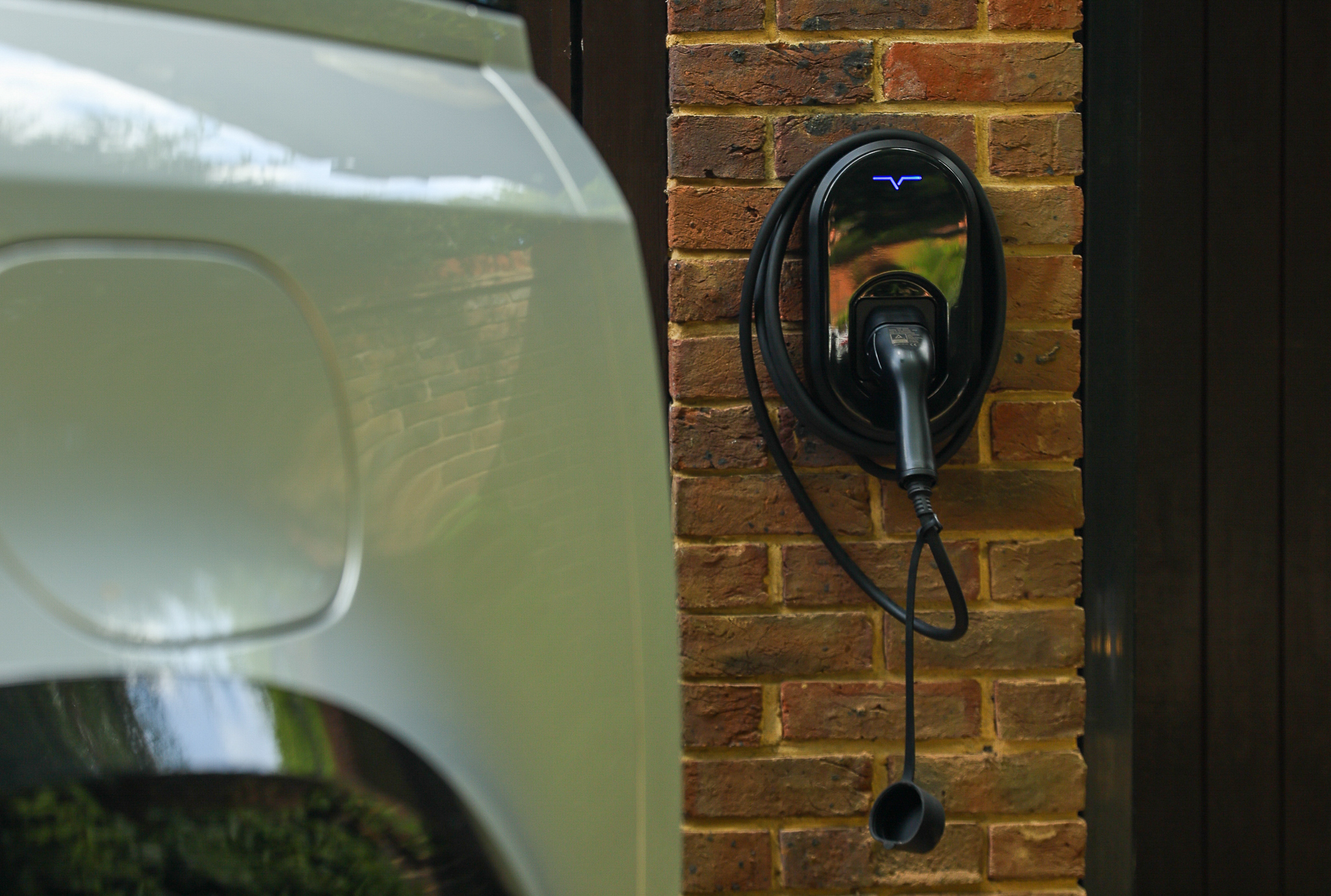
How much does it cost to charge an electric car at home?
Understand how using a smart charger combined with an EV tariff could save you hundreds on EV charging at home.

What Does Net Zero Actually Mean for You and the UK?
Discover how the 2050 Net Zero goal affects your energy bills, the planet, and how So Energy’s solar and EV solutions help you lead the charge.

Which Energy Tariff is Right For Me?
Learn how to choose the best So Energy tariff for your needs with our guide to tariff types and pricing, plus tools to help you save on energy bills.